
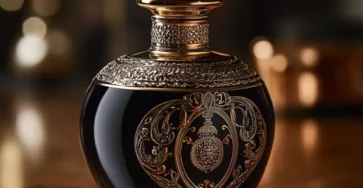
At first glance, the worlds of luxury fragrances—such as Xerjoff Alexandria II—and cycling may seem like an unusual combination. One conjures images of opulence, refinement, and indulgence, while the other evokes grit, endurance, and the thrill of the open road. Yet, as lifestyles evolve, so do our approaches to self-expression. Cyclists, who spend hours connecting…
Fragrances and perfumes
Discover the fascinating world of fragrances and perfumes. Explore the differences between natural and synthetic ingredients, as well as their effects on health and the environment. In this category you will find articles on aromatherapy and environmental aspects of perfumery.
Fragrance and Freedom: Perfumes That Evoke the Spirit of Cycling Adventures
Perfume and cycling may seem like an unusual pairing, but both share a common thread: the power to evoke emotion and tell a story. Just as cycling allows you to feel the wind against your face and take in the rich tapestry of the world around you, a great fragrance can transport you to a…
Perfume ingredients: natural vs. synthetic
The history of the use of perfume ingredients Perfumery as an art and science began to develop in ancient times. The use of scents to create perfumes goes back to ancient civilizations such as Egypt, Mesopotamia and India, where natural ingredients such as resins, flowers and spices were the main ingredients. In ancient Egypt, perfumes…
Ecological and ethical aspects of perfumery
The historical context of perfumery Perfumery has a long and rich history, rooted in ancient civilizations. In ancient Egypt, perfumes were used not only for perfuming the body, but also in religious rituals. In the Middle Ages, perfumery became a symbol of luxury and status, especially in Europe, where aromatic oils and essences became an…